

Survival to Sovereignty: Reclaiming Safety, Agency & Meaning from Chronic Stress, Illness & Medical Trauma
I support individuals and healthcare teams in understanding the lived impact of illness, medical trauma and chronic stress. Through embodied & trauma-informed practices, I support people in rebuilding trust with their bodies and re-engaging with their lives beyond diagnosis
Trusted by healthcare organizations, patient groups and care teams:





Many people who live with chronic disease experience fear, vigilance, pain and disconnection.
I know this experience personally and professionally.
My work sits at the intersection of lived experience, clinical insight, and embodied practice. I help people understand why their nervous system is responding the way it is and how to gently rebuild safety, trust, and agency in their body. This creates space for new ways of living and relating to take shape over time.
This work may be for you if:
You’ve survived illness or medical treatment but don’t feel at ease in your body
You live with chronic illness and feel anxious, exhausted, or disconnected
You feel defined by the role of “patient” and want to reconnect with who you are beyond diagnosis
You feel behind in life, unsure how to approach relationships, work and identity after illness
You are a healthcare provider who wants to support yourselves and your patients from an integrative perspective
Your well-being is not something to “fix”. This process is one of integration: understanding how your body adapted to survive, honouring that intelligence and creating new pathways towards safety, choice and meaning.
This work is trauma-informed, evidence-based and deeply human. It complements medical care and recognizes that health is not only shaped by biology, but by experience, identity and relationships.
Ways to Work Together
-
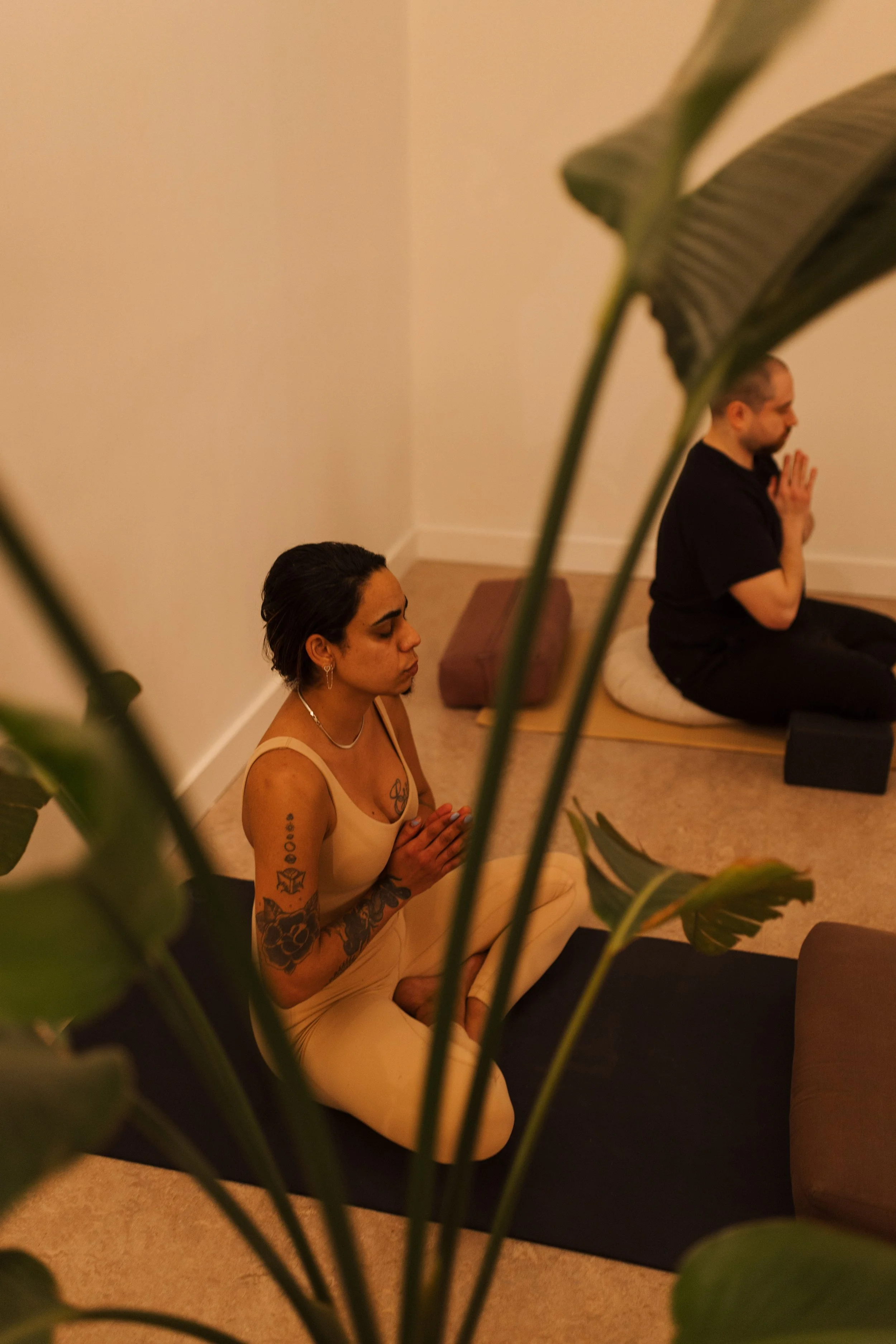
Embodied, trauma-informed programs and one-to-one support for people navigating illness, medical trauma, or life after diagnosis.
-
Education, workshops, and consulting that bring the patient’s lived experience into multidisciplinary, integrative, and patient-centered care.